
When was the last time you felt "off"?
Flow
The idea of "going with the flow" isn't always good - it can be an apathetic way of escaping. Flow, at least in the way Jesus talks about it, is not escape. It is presence without panic. Flow is not the absence of pressure, but it is the refusal to let pressure define or control us. Let's talk about something from the love of God that might be called "flow" - something that moves through us not because we manage it well, but because we stop interrupting it with control.
Now that you've answered the Icebreaker, here's another question - this one, about flow.
Hopefully that makes enough sense to get you started. As you continue into the Worship portion of the Spotlight, pray this prayer together:
Lord,
It feels like many things
pull us in many directions.
Give us discerning hearts,
point us in a helpful, natural way,
to bring us where you are leading us.
Amen.
Lord,
It feels like many things
pull us in many directions.
Give us discerning hearts,
point us in a helpful, natural way,
to bring us where you are leading us.
Amen.
John 4:1–26 (NIV)
Jesus Talks With a Samaritan Woman
1-3 Jesus realized that the Pharisees were keeping count of the baptisms that he and John performed (although his disciples, not Jesus, did the actual baptizing). They had posted the score that Jesus was ahead, turning him and John into rivals in the eyes of the people. So Jesus left the Judean countryside and went back to Galilee.
4-6 To get there, he had to pass through Samaria. He came into Sychar, a Samaritan village that bordered the field Jacob had given his son Joseph. Jacob’s well was still there. Jesus, worn out by the trip, sat down at the well. It was noon.
7-8 A woman, a Samaritan, came to draw water. Jesus said, “Would you give me a drink of water?” (His disciples had gone to the village to buy food for lunch.)
9 The Samaritan woman, taken aback, asked, “How come you, a Jew, are asking me, a Samaritan woman, for a drink?” (Jews in those days wouldn’t be caught dead talking to Samaritans.)
10 Jesus answered, “If you knew the generosity of God and who I am, you would be asking me for a drink, and I would give you fresh, living water.”
11-12 The woman said, “Sir, you don’t even have a bucket to draw with, and this well is deep. So how are you going to get this ‘living water’? Are you a better man than our ancestor Jacob, who dug this well and drank from it, he and his sons and livestock, and passed it down to us?”
13-14 Jesus said, “Everyone who drinks this water will get thirsty again and again. Anyone who drinks the water I give will never thirst—not ever. The water I give will be an artesian spring within, gushing fountains of endless life.”
15 The woman said, “Sir, give me this water so I won’t ever get thirsty, won’t ever have to come back to this well again!”
16 He said, “Go call your husband and then come back.”
17-18 “I have no husband,” she said.
“That’s nicely put: ‘I have no husband.’ You’ve had five husbands, and the man you’re living with now isn’t even your husband. You spoke the truth there, sure enough.”
19-20 “Oh, so you’re a prophet! Well, tell me this: Our ancestors worshiped God at this mountain, but you Jews insist that Jerusalem is the only place for worship, right?”
21-23 “Believe me, woman, the time is coming when you Samaritans will worship the Father neither here at this mountain nor there in Jerusalem. You worship guessing in the dark; we Jews worship in the clear light of day. God’s way of salvation is made available through the Jews. But the time is coming—it has, in fact, come—when what you’re called will not matter and where you go to worship will not matter.
23-24 “It’s who you are and the way you live that count before God. Your worship must engage your spirit in the pursuit of truth. That’s the kind of people the Father is out looking for: those who are simply and honestly themselves before him in their worship. God is sheer being itself—Spirit. Those who worship him must do it out of their very being, their spirits, their true selves, in adoration.”
25 The woman said, “I don’t know about that. I do know that the Messiah is coming. When he arrives, we’ll get the whole story.”
26 “I am he,” said Jesus. “You don’t have to wait any longer or look any further.”
Consider this poem as a version of the woman's response to this interaction with Jesus.
Jesus Talks With a Samaritan Woman
1-3 Jesus realized that the Pharisees were keeping count of the baptisms that he and John performed (although his disciples, not Jesus, did the actual baptizing). They had posted the score that Jesus was ahead, turning him and John into rivals in the eyes of the people. So Jesus left the Judean countryside and went back to Galilee.
4-6 To get there, he had to pass through Samaria. He came into Sychar, a Samaritan village that bordered the field Jacob had given his son Joseph. Jacob’s well was still there. Jesus, worn out by the trip, sat down at the well. It was noon.
7-8 A woman, a Samaritan, came to draw water. Jesus said, “Would you give me a drink of water?” (His disciples had gone to the village to buy food for lunch.)
9 The Samaritan woman, taken aback, asked, “How come you, a Jew, are asking me, a Samaritan woman, for a drink?” (Jews in those days wouldn’t be caught dead talking to Samaritans.)
10 Jesus answered, “If you knew the generosity of God and who I am, you would be asking me for a drink, and I would give you fresh, living water.”
11-12 The woman said, “Sir, you don’t even have a bucket to draw with, and this well is deep. So how are you going to get this ‘living water’? Are you a better man than our ancestor Jacob, who dug this well and drank from it, he and his sons and livestock, and passed it down to us?”
13-14 Jesus said, “Everyone who drinks this water will get thirsty again and again. Anyone who drinks the water I give will never thirst—not ever. The water I give will be an artesian spring within, gushing fountains of endless life.”
15 The woman said, “Sir, give me this water so I won’t ever get thirsty, won’t ever have to come back to this well again!”
16 He said, “Go call your husband and then come back.”
17-18 “I have no husband,” she said.
“That’s nicely put: ‘I have no husband.’ You’ve had five husbands, and the man you’re living with now isn’t even your husband. You spoke the truth there, sure enough.”
19-20 “Oh, so you’re a prophet! Well, tell me this: Our ancestors worshiped God at this mountain, but you Jews insist that Jerusalem is the only place for worship, right?”
21-23 “Believe me, woman, the time is coming when you Samaritans will worship the Father neither here at this mountain nor there in Jerusalem. You worship guessing in the dark; we Jews worship in the clear light of day. God’s way of salvation is made available through the Jews. But the time is coming—it has, in fact, come—when what you’re called will not matter and where you go to worship will not matter.
23-24 “It’s who you are and the way you live that count before God. Your worship must engage your spirit in the pursuit of truth. That’s the kind of people the Father is out looking for: those who are simply and honestly themselves before him in their worship. God is sheer being itself—Spirit. Those who worship him must do it out of their very being, their spirits, their true selves, in adoration.”
25 The woman said, “I don’t know about that. I do know that the Messiah is coming. When he arrives, we’ll get the whole story.”
26 “I am he,” said Jesus. “You don’t have to wait any longer or look any further.”
Consider this poem as a version of the woman's response to this interaction with Jesus.
Counting
way too impossible,
Sand on the beach
Pebbles in the universe,
The problems...
my work
the world,
time eaten,
masked chaos,
The giants puff nothing
but seem to rule my life.
Now searing sand
Heat Waves in the desert
baked dry
I stumble,
purpose parched,
Inward intense,
Loser lost,
Stuck in a loop.
"Oh God,"
I cry
for your forgiveness,
I need
Your possible.
And then my eyes discover
shimmering somehow singing...
a distant oasis
that Jumps closer,
God calls
from its depths,
I am the water
I am the bread
I am the life
I am heaven's kingdom closer
I am the birth
I am the Spirit
I am your Saviour
I am your well spring
I am.
There in the cross
locked oasis deep,
a Jesus relationship
a worship,
in tune with the Saviour;
a well that streams
flows living water,
My spirit connects
to the holy,
God present with me,
And I dwell deep
loved infinitely, completely,
in the smile of God
in the eyes of God.
Something has shifted,
Released, freed
seeing the Lord bigger,
Who pours
His joy welling
flooding Soul deep,
Overtaking
Overwhelming
Overflowing.
The water that
wells connecting, calling
deep to deep,
Dance with Him
Dance in the
River,
The water that
wells connecting, calling
deep to deep,
Flow
in the river,
The water that
wells connecting, calling
deep to deep,
waiting, resting and
found in the Lord,
The water that
wells connecting, calling us
deep to deep,
To be the water of life
As mirroring waters
flowing, flooding God's glory
To the city
To the Earth.
way too impossible,
Sand on the beach
Pebbles in the universe,
The problems...
my work
the world,
time eaten,
masked chaos,
The giants puff nothing
but seem to rule my life.
Now searing sand
Heat Waves in the desert
baked dry
I stumble,
purpose parched,
Inward intense,
Loser lost,
Stuck in a loop.
"Oh God,"
I cry
for your forgiveness,
I need
Your possible.
And then my eyes discover
shimmering somehow singing...
a distant oasis
that Jumps closer,
God calls
from its depths,
I am the water
I am the bread
I am the life
I am heaven's kingdom closer
I am the birth
I am the Spirit
I am your Saviour
I am your well spring
I am.
There in the cross
locked oasis deep,
a Jesus relationship
a worship,
in tune with the Saviour;
a well that streams
flows living water,
My spirit connects
to the holy,
God present with me,
And I dwell deep
loved infinitely, completely,
in the smile of God
in the eyes of God.
Something has shifted,
Released, freed
seeing the Lord bigger,
Who pours
His joy welling
flooding Soul deep,
Overtaking
Overwhelming
Overflowing.
The water that
wells connecting, calling
deep to deep,
Dance with Him
Dance in the
River,
The water that
wells connecting, calling
deep to deep,
Flow
in the river,
The water that
wells connecting, calling
deep to deep,
waiting, resting and
found in the Lord,
The water that
wells connecting, calling us
deep to deep,
To be the water of life
As mirroring waters
flowing, flooding God's glory
To the city
To the Earth.
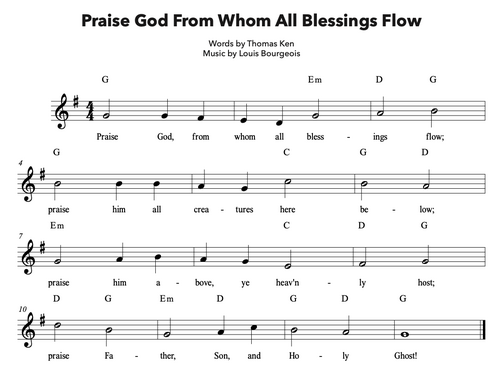
In summary, finish this sentence: Having walked through Psalm 1, flow feels like...

Let's talk about traumatic interruptions to flow.
We’ve talked about flow as life that isn’t forced, but rather is life that moves with trust rather than control. But sometimes flow doesn’t gently slow down. Sometimes it’s interrupted suddenly, painfully, and without our consent.
Bad news breaks in. A diagnosis. A phone call. A loss. A revelation.
These moments don’t feel like invitations. They feel like collisions.
When bad news comes (news you didn’t choose and couldn’t prepare for)
what do you notice yourself reaching for first?
- Answers or explanations
- Action or urgency
- Control or information
- Distraction or numbness
- Prayer or silence
- People or isolation
Looking back, what actually helped you move forward (even a little) when flow was interrupted?
Read together.
Flow doesn’t mean nothing breaks.
It means we don’t have to force meaning or momentum in the moment of rupture.
Sometimes faith is simply staying present when the current stops.
This series has been about the desire for control, about noticing how much energy control costs us, and about how the Spirit keeps offering life that doesn’t depend on holding everything together. This closing activity is not about solving anything. It’s about naming where control is hard, and then letting the wisdom of God flow over us rather than demand something from us.
Get into smaller groups of 2-3 if possible.
One person should share first:
The person to the sharer's right should then speak the sharer's name into Psalm 1.
Blessed is __________
when not walking in step with the wicked
or standing in the way that sinners take
or sitting in the company of mockers.
Blessed is __________
when their delight is in the law of the Lord,
when __________ meditates on it day and night.
Then, __________ is like a tree planted by streams of water,
which yields its fruit in season
and whose leaf does not wither—
whatever __________ does prospers.
Get into smaller groups of 2-3 if possible.
One person should share first:
- Name one area in your life right now where control feels especially hard or especially tempting.
- This could be work, family, health, faith, identity, the future, or how others see you.
- You don’t have to explain why or what you’re doing about it.
- Just name it.
The person to the sharer's right should then speak the sharer's name into Psalm 1.
Blessed is __________
when not walking in step with the wicked
or standing in the way that sinners take
or sitting in the company of mockers.
Blessed is __________
when their delight is in the law of the Lord,
when __________ meditates on it day and night.
Then, __________ is like a tree planted by streams of water,
which yields its fruit in season
and whose leaf does not wither—
whatever __________ does prospers.
Pray Together
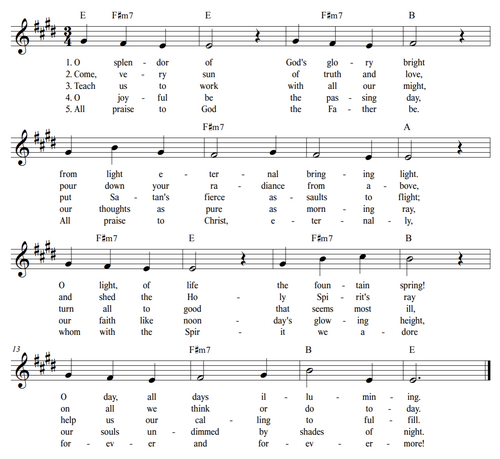
Close this Spotlight with the song "O Splendor of God's Glory Bright."
Posted in Control is Passing
No Comments