
What's something that you were excited to see become more and more common?
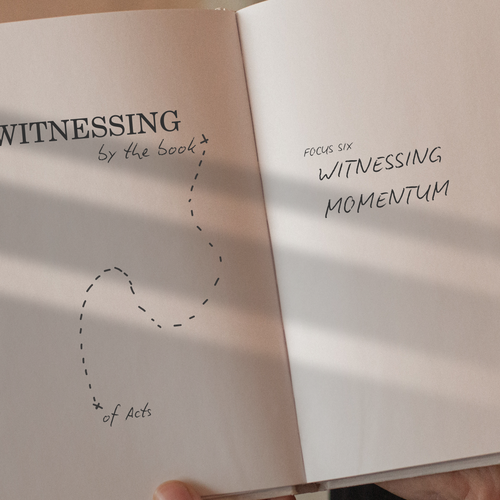
Focus 6 | Witnessing Momentum
When people get excited about something, they process it in all kinds of ways. As more and more people grew excited about the message of Jesus, the early witnesses had to learn to react to all kinds of shifts in momentum - and so must we.
Let's talk about fire.
Hi, I’m Kent, and I have a question: Is fire good or bad?
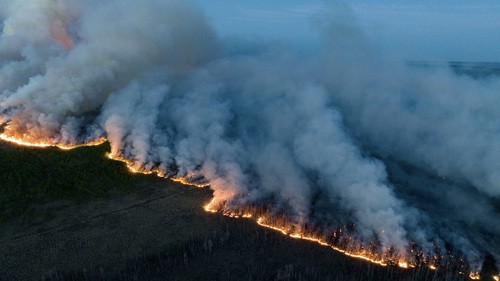
If you’ve lived near a forest (or just watched the news) you know fire can be both destructive and necessary. Wildfires, left to themselves, tear through everything in their path, feeding on wind and fuel until nothing can stop them and they grow very dangerous. But a controlled burn? That’s fire with intention. It clears out what’s dead, nourishes the soil, and makes way for new growth.
The results of faithful witnessing can be like that. Sometimes momentum builds quickly as conversations spread, lives change, and energy grows - and it feels unstoppable. Other times, the reactions to the witnessing can get out of control, and without thoughtfulness, patience, and care, that energy can burn too hot or in the wrong direction.
The work of the witness (and of God's Spirit) isn’t just about sparking a flame; it’s about tending it, shaping it, and letting it spread in a way that restores life instead of leaving charred ground behind.
So the question becomes, as far as our witness is concerned: Are we learning the art of a controlled burn, or are we throwing our thoughts and opinions onto a raging wildfire?
Hi, I’m Kent, and I have a question: Is fire good or bad?
If you’ve lived near a forest (or just watched the news) you know fire can be both destructive and necessary. Wildfires, left to themselves, tear through everything in their path, feeding on wind and fuel until nothing can stop them and they grow very dangerous. But a controlled burn? That’s fire with intention. It clears out what’s dead, nourishes the soil, and makes way for new growth.
The results of faithful witnessing can be like that. Sometimes momentum builds quickly as conversations spread, lives change, and energy grows - and it feels unstoppable. Other times, the reactions to the witnessing can get out of control, and without thoughtfulness, patience, and care, that energy can burn too hot or in the wrong direction.
The work of the witness (and of God's Spirit) isn’t just about sparking a flame; it’s about tending it, shaping it, and letting it spread in a way that restores life instead of leaving charred ground behind.
So the question becomes, as far as our witness is concerned: Are we learning the art of a controlled burn, or are we throwing our thoughts and opinions onto a raging wildfire?
See what this Spotlight—and series— is focused on.
Tap on the words "Focus 6" in the image below to read this Spotlight's summary.
Tap on the words "Focus 6" in the image below to read this Spotlight's summary.
Hopefully this makes enough sense to get you going. Here's a prayer as you do:
Lord,
Anyone who tries to share what is important to them
certainly hopes that their message will be well received.
Give us the grace it takes to stick with it when it is,
and the wherewithal to keep trying when it isn't.
Amen.
Lord,
Anyone who tries to share what is important to them
certainly hopes that their message will be well received.
Give us the grace it takes to stick with it when it is,
and the wherewithal to keep trying when it isn't.
Amen.
Read Acts 14:8-22.
8 In Lystra there sat a man who was lame. He had been that way from birth and had never walked. 9 He listened to Paul as he was speaking. Paul looked directly at him, saw that he had faith to be healed 10 and called out, “Stand up on your feet!” At that, the man jumped up and began to walk.
11 When the crowd saw what Paul had done, they shouted in the Lycaonian language, “The gods have come down to us in human form!” 12 Barnabas they called Zeus, and Paul they called Hermes because he was the chief speaker. 13 The priest of Zeus, whose temple was just outside the city, brought bulls and wreaths to the city gates because he and the crowd wanted to offer sacrifices to them.
14 But when the apostles Barnabas and Paul heard of this, they tore their clothes and rushed out into the crowd, shouting: 15 “Friends, why are you doing this? We too are only human, like you. We are bringing you good news, telling you to turn from these worthless things to the living God, who made the heavens and the earth and the sea and everything in them. 16 In the past, he let all nations go their own way. 17 Yet he has not left himself without testimony: He has shown kindness by giving you rain from heaven and crops in their seasons; he provides you with plenty of food and fills your hearts with joy.” 18 Even with these words, they had difficulty keeping the crowd from sacrificing to them.
19 Then some Jews came from Antioch and Iconium and won the crowd over. They stoned Paul and dragged him outside the city, thinking he was dead. 20 But after the disciples had gathered around him, he got up and went back into the city. The next day he and Barnabas left for Derbe.
21 They preached the gospel in that city and won a large number of disciples. Then they returned to Lystra (?!?), Iconium and Antioch, 22 strengthening the disciples and encouraging them to remain true to the faith. “We must go through many hardships to enter the kingdom of God,” they said.
8 In Lystra there sat a man who was lame. He had been that way from birth and had never walked. 9 He listened to Paul as he was speaking. Paul looked directly at him, saw that he had faith to be healed 10 and called out, “Stand up on your feet!” At that, the man jumped up and began to walk.
11 When the crowd saw what Paul had done, they shouted in the Lycaonian language, “The gods have come down to us in human form!” 12 Barnabas they called Zeus, and Paul they called Hermes because he was the chief speaker. 13 The priest of Zeus, whose temple was just outside the city, brought bulls and wreaths to the city gates because he and the crowd wanted to offer sacrifices to them.
14 But when the apostles Barnabas and Paul heard of this, they tore their clothes and rushed out into the crowd, shouting: 15 “Friends, why are you doing this? We too are only human, like you. We are bringing you good news, telling you to turn from these worthless things to the living God, who made the heavens and the earth and the sea and everything in them. 16 In the past, he let all nations go their own way. 17 Yet he has not left himself without testimony: He has shown kindness by giving you rain from heaven and crops in their seasons; he provides you with plenty of food and fills your hearts with joy.” 18 Even with these words, they had difficulty keeping the crowd from sacrificing to them.
19 Then some Jews came from Antioch and Iconium and won the crowd over. They stoned Paul and dragged him outside the city, thinking he was dead. 20 But after the disciples had gathered around him, he got up and went back into the city. The next day he and Barnabas left for Derbe.
21 They preached the gospel in that city and won a large number of disciples. Then they returned to Lystra (?!?), Iconium and Antioch, 22 strengthening the disciples and encouraging them to remain true to the faith. “We must go through many hardships to enter the kingdom of God,” they said.
Responsive Reading: “God Has Not Left Himself Without Testimony”
Acts 14 with reflective framing
Leader: In Lystra, Paul and Barnabas spoke to people who had never heard of Jesus. They began with something everyone could see and agree on: the goodness of the God who made everything. Group 1, begin our remembering:
Group 1: “We bring you good news—turn from what is empty and live for the Living God…”
Leader: And when they spoke of this Living God, they spoke of the Creator of all things. Group 2, affirm it:
Group 2: “…the God who made the sky and the seas, the earth and everything that fills them.”
Leader: Picture one thing in creation this week that reminded you of God’s beauty and strength.
30 Second Pause for Reflection
Leader: The apostles told the people that history itself bore witness to God’s patience. Group 1, recall their words:
Group 1: “Long ago, he let the nations wander in their own ways.”
Leader: But even in their wandering, God’s kindness kept showing up. Group 2, proclaim it:
Group 2: “Yet he has never left himself without a witness.”
Leader: Consider where God’s kindness has been present in your own story—even if you didn’t notice it right away.
30 Second Pause for Reflection
Leader: Paul pointed to the evidence of God’s care: the seasons, the rain, the food. These are not just background noise to life; they are signs that God still sees us. Group 1, speak the first part:
Group 1: “He shows his kindness in rain from the heavens, in the harvests of every season.”
Leader: And these gifts are not only for survival—they are for joy. Group 2, finish it:
Group 2: “He feeds you with good things and fills your hearts with joy.”
Leader: Recall a time when God’s provision or joy came to you unexpectedly.
30 Second Pause for Reflection
Leader: Paul’s words still hold true. The rhythms of the earth and the movements of our lives both testify to God’s presence. Group 1, declare it:
Group 1: “God’s witness is written in the rhythms of creation.”
Leader: And we ourselves are part of that witness. Group 2, declare it:
Group 2: “God’s witness is etched into the movements of our lives.”
Leader: Think about how you might be a witness for others of God’s kindness in the week ahead.
30 Second Pause for Reflection
Leader: God’s kindness is not rare—it’s all around us. His witness is not hidden—it’s in every breath, every meal, every act of love. And his invitation is not exclusive—it’s for all people, in all places, at all times. May we see it, name it, and live as part of it.
All Together: Amen.
Acts 14 with reflective framing
Leader: In Lystra, Paul and Barnabas spoke to people who had never heard of Jesus. They began with something everyone could see and agree on: the goodness of the God who made everything. Group 1, begin our remembering:
Group 1: “We bring you good news—turn from what is empty and live for the Living God…”
Leader: And when they spoke of this Living God, they spoke of the Creator of all things. Group 2, affirm it:
Group 2: “…the God who made the sky and the seas, the earth and everything that fills them.”
Leader: Picture one thing in creation this week that reminded you of God’s beauty and strength.
30 Second Pause for Reflection
Leader: The apostles told the people that history itself bore witness to God’s patience. Group 1, recall their words:
Group 1: “Long ago, he let the nations wander in their own ways.”
Leader: But even in their wandering, God’s kindness kept showing up. Group 2, proclaim it:
Group 2: “Yet he has never left himself without a witness.”
Leader: Consider where God’s kindness has been present in your own story—even if you didn’t notice it right away.
30 Second Pause for Reflection
Leader: Paul pointed to the evidence of God’s care: the seasons, the rain, the food. These are not just background noise to life; they are signs that God still sees us. Group 1, speak the first part:
Group 1: “He shows his kindness in rain from the heavens, in the harvests of every season.”
Leader: And these gifts are not only for survival—they are for joy. Group 2, finish it:
Group 2: “He feeds you with good things and fills your hearts with joy.”
Leader: Recall a time when God’s provision or joy came to you unexpectedly.
30 Second Pause for Reflection
Leader: Paul’s words still hold true. The rhythms of the earth and the movements of our lives both testify to God’s presence. Group 1, declare it:
Group 1: “God’s witness is written in the rhythms of creation.”
Leader: And we ourselves are part of that witness. Group 2, declare it:
Group 2: “God’s witness is etched into the movements of our lives.”
Leader: Think about how you might be a witness for others of God’s kindness in the week ahead.
30 Second Pause for Reflection
Leader: God’s kindness is not rare—it’s all around us. His witness is not hidden—it’s in every breath, every meal, every act of love. And his invitation is not exclusive—it’s for all people, in all places, at all times. May we see it, name it, and live as part of it.
All Together: Amen.
Sprint together through Acts 16-21.
Acts 16:
Acts 17
Acts 18
Acts 19
Acts 20
Acts 21 (only through vs. 17)
Acts 16:
- Find Bithynia (vs. 7) - what happened?
- Where did they go instead?
- What happened in the Philippian jail? (Vss. 25-31)
- How do the disciples respond to momentum shifts?
Acts 17
- How did it go in Thessalonica? (Vs. 5)
- What was admirable about the Bereans? (Vs. 11)
- Paul got a special opportunity in Athens. What was it? (Vs. 19)
- How do the disciples respond to momentum shifts?
Acts 18
- What significant thing does Paul do in Corinth? (Vs. 7)
- Would you say things went "well" in Corinth? (Vs. 17)
- How do the disciples respond to momentum shifts?
Acts 19
- Ephesus becomes a special place to Paul. What happened with the sorcerers? (Vss 19-20) How did that create new momentum?
- What's the nature of the disagreement in vs. 30?
- How do the disciples respond to momentum shifts?
Acts 20
- Was Paul a good preacher? (Vs. 9) Was Paul an effective preacher? Is there a difference?
- Paul's farewell to the Ephesians elders is a powerful depiction of relationships forged by God's love connecting people to each other. Read vss. 13-38 to yourself.
- How do the disciples respond to momentum shifts?
Acts 21 (only through vs. 17)
- Why does Paul say what he says in vs. 13?
- How do the disciples respond to momentum shifts?
It's amazing how many people Paul and Co. interacted with over those chapters. The same, though, can be said of you.
- Draw Four Columns on a piece of paper and label them:
- Early Life (childhood)
- Young Adulthood (teen to college years)
- Mid/Later Life (recent decades, major life changes)
- Now (current season)
- In Each Column, list 1–3 people from that era of your life who:
- Made an impact on you, or
- Were connected to you in a meaningful way (friend, mentor, colleague, family member, neighbor, etc.).
- For Each Person, briefly note:
- Where they are now (if you know).
- Your current relationship (close, distant, strained, nonexistent).
- Pause for Reflection (2–3 minutes of quiet):
- Ask: “How might I serve them faithfully in this season of life, regardless of the current nature of our connection?”
- This could mean prayer, a simple message of encouragement, reconciling a conflict, or supporting something important to them.
- Action Step: Circle 2–3 names that you feel prompted to follow up with in the coming week or month. Beside each name, write one small action you could take.
Feel free to submit a prayer request by filling out the below form.
(If you choose to make your request public, you'll see it display in the Current at the end of the Spotlight along with anyone else who did the same.)
(If you choose to make your request public, you'll see it display in the Current at the end of the Spotlight along with anyone else who did the same.)
Pray through your requests—together—as a group.
After submitting your requests in the above form, take some time to share with your group whatever requests the group might have for this week.
After submitting your requests in the above form, take some time to share with your group whatever requests the group might have for this week.
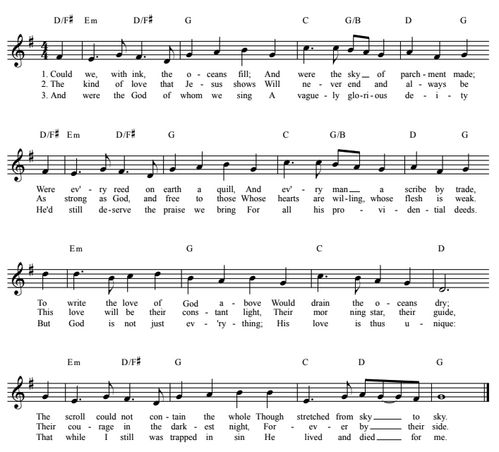
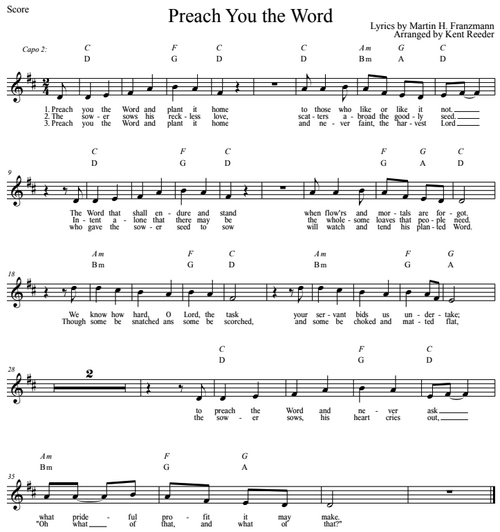
Sing this song as you close out this Spotlight.
Let's wrap things up by taking a look at what's Current at Illume.
Tap on the buttons in the frame below to see what’s currently happening at Illume—information on everything from current and upcoming online content to live events and opportunities to serve in the community can all be found here.
Tap on the buttons in the frame below to see what’s currently happening at Illume—information on everything from current and upcoming online content to live events and opportunities to serve in the community can all be found here.
Posted in Witnessing by the Book
No Comments