
What is the most under appreciated kitchen utensil?
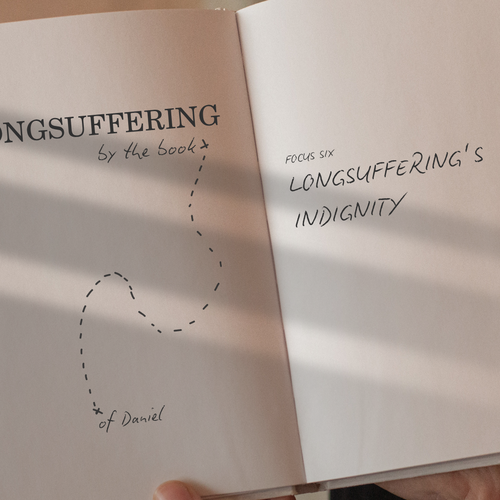
Longsuffering's Indignity
Why do we do things? What do we do them for? It can be easy to answer these questions in a transactional way. If you do this, you'll get that. However, as we consider the injustices around us and the ways that things just don't fit together the way they should, we start to realize that that simple, transactional model doesn't always work.
Leaving that model behind, though, is a process full of doubt and questions. What would I do anything for if not to get something? Why even act at all? It is in answer to these questions that longsuffering does something special, moving us from a system of transaction to a system of grace and faith. The longsufferer learns to take an action simply because they believe in it, even if they do not expect it to relieve whatever is causing the suffering. They are disabused of the notion of "earned outcomes."
Leaving that model behind, though, is a process full of doubt and questions. What would I do anything for if not to get something? Why even act at all? It is in answer to these questions that longsuffering does something special, moving us from a system of transaction to a system of grace and faith. The longsufferer learns to take an action simply because they believe in it, even if they do not expect it to relieve whatever is causing the suffering. They are disabused of the notion of "earned outcomes."
Now that you've answered the Icebreaker, here's another question - this one, about trading.
How do you know if a trade is worth making?
We tend to think transactionally, and because of that, we tend to think that if we don't get what we deserve, it's unfair and wrong.
There's some truth in this - but only as long as we keep trusting in the transactional system.
We've seen Daniel do well, work hard, and be the best Babylon could have asked for from an Israelite exile. Today, we're going to see him suffer indignities that make no sense considering the transactional value of his work - but we'll notice all the more the fact that he doesn't seem to mind, because he doesn't believe things should go the way he deserves. He seems to operate by a different system entirely, which makes some sense in his context as a "longsufferer."
There's some truth in this - but only as long as we keep trusting in the transactional system.
We've seen Daniel do well, work hard, and be the best Babylon could have asked for from an Israelite exile. Today, we're going to see him suffer indignities that make no sense considering the transactional value of his work - but we'll notice all the more the fact that he doesn't seem to mind, because he doesn't believe things should go the way he deserves. He seems to operate by a different system entirely, which makes some sense in his context as a "longsufferer."
Hopefully that makes enough sense to get you started. As you continue into the Worship portion of the Spotlight, pray this prayer together:
Lord,
When your kingdom works differently
from the rest of the world,
and when the system of earned outcomes fails us,
turn our hearts toward the generosity
of your love and grace,
and let that generosity become reality among us.
Amen.
Lord,
When your kingdom works differently
from the rest of the world,
and when the system of earned outcomes fails us,
turn our hearts toward the generosity
of your love and grace,
and let that generosity become reality among us.
Amen.
Why remain faithful?
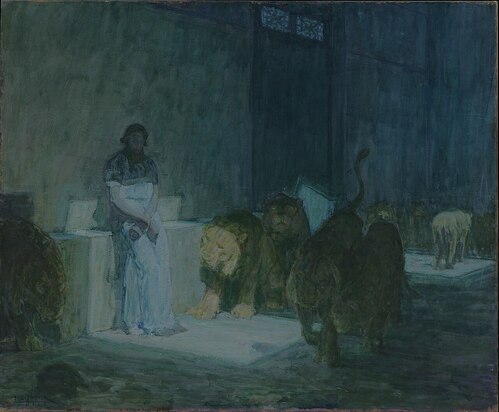
Tell the story of Daniel in the lion's den, then open up to Daniel 6 to see what details you may have missed.
Which moment in the story requires the most bravery?
A Prayer for Those Who Pray with the Window Open
This prayer reflects on Daniel's acts of faith, and it is written with reference to Charles Spurgeon's sermon on Daniel 6:10: "He kneeled upon his knees three times a day, and prayed, and gave thanks before his God, as he did aforetime."
I. For the Habit Beneath the Hour
O God of Daniel, and our God,
We come to You not because a crisis drove us here, but because You have made a road, and we would wear it smooth.
You did not make Daniel brave in the hour of the edict. You made him brave in ten thousand unremarkable mornings when no one watched, and no lion waited, and there was nothing to gain by kneeling but You.
So give us the ordinary faithfulness that becomes extraordinary only under pressure. Teach us to make a business of prayer - to keep a chair, a corner, a chamber, a habit, some worn place in the house of our lives where we have told You our griefs so often that the room itself remembers.
And Lord, we confess we have it backwards. We pray least when we are busiest, as though You were an expense to be trimmed rather than the strength that makes the work possible. Forgive us. Reverse us. Let the weight of our labors press us toward You and not away, that we might say with Your servants of old: there is so much to do today that we cannot afford to pray less.
II. For the Privilege We Have Cheapened
Merciful Father,
Daniel prayed under penalty of death, and we pray under no penalty at all, and so we hardly pray.
We have made a mercy commonplace. The door stands open, and we do not walk through it. The throne is unguarded, and we do not approach. There is no fee at the mercy seat, no lottery for access, no single sanctioned house, no one appointed intercessor whose sleeve we must catch in the street, and because it costs us nothing, we have valued it at nothing.
Wake us to what we hold. If prayer were rationed, we would riot for it. If prayer were priced, we would sell all we had to buy an hour of it. If prayer were forbidden, we might finally want it.
Lord, do not let us need a lions' den to learn the worth of a window. Give us a hunger equal to our access. Let us come, this night, before we sleep, sin confessed, pardon sought, thanksgiving offered, not because we are compelled, but because we are welcomed.
III. For the Courage That Changes Nothing
God of the open window,
Daniel did not defy the king with a grand new gesture. He did not pray louder, or longer, or more often, or more visibly. He simply refused to adjust. Same hour. Same knees. Same window. Same direction. Same God. As he did before.
That is the courage we ask for: not the courage of the dramatic stand, but the courage of the unshuttered window; the courage to make no small edit to our obedience in order to survive a season.
Because Lord, we are so fluent in the language of the closed shutter. We call it prudence. We call it wisdom. We call it protecting our usefulness, as if You were served by our compromise, as if the kingdom depended on our staying in the room at the price of our conscience.
Deliver us from the calculation that trades a clean heart for a wide platform. Consequences are Yours. Outcomes are Yours. The empire is Yours. Duty is ours. Faithfulness is ours. The next right thing is ours. Let us not do evil that good may come. Let us not deliberate over what we already know.
And where the law of the land contradicts the law of heaven, give us the settled, unfrantic disobedience of a man who is simply going home to pray, as he always has.
IV. For the Den, and for the Deliverance
Lord Christ,
You did not spare Daniel the den. You met him in it.
So we make no bargain here. We do not ask to be excused from the cost of integrity. We ask only for the presence that makes the cost bearable: the angel in the dark, the shut mouths, the strange peace, the long night that turns out, in the end, to be spent in better company than any night in the palace.
Guard the ones who are in the den right now: the worker who would not sign the thing, the young person who would not laugh at the joke, the believer whose family thinks less of them for their faith, the one who told the truth and lost the room. Be in the pit with them. Be more real to them than the lions.
And Lord Jesus, we remember that Daniel went into the den and came out unscratched, but You went into the grave and came out with the wounds still on You, because You did not need to be vindicated; You needed to be raised, and You needed to bring us with You.
Daniel prayed toward a temple. We pray toward a Person. Our window opens to the Jerusalem above, and to the altar that is Yourself, and to the Lamb who was found faultless where we were found wanting. You are the only One who was weighed in the balances and not found wanting, and You have given us Your weight.
V. Amen
So now, Lord, let prayer and thanksgiving go up together, arm in arm, twin angels on the ladder, for we cannot ask You for more grace without confessing how much we have already been given.
Make us a people of the open window. Steady in the ordinary. Grateful in the good. Unmoved in the edict. Unafraid in the den. Faithful as You have been faithful, kneeling as we did before, until the day the windows are no longer needed and the city we have been facing all along comes down to meet us.
Through Christ our Lord, who is our altar, our Jerusalem, and our answered prayer,
Amen.
A Prayer for Those Who Pray with the Window Open
This prayer reflects on Daniel's acts of faith, and it is written with reference to Charles Spurgeon's sermon on Daniel 6:10: "He kneeled upon his knees three times a day, and prayed, and gave thanks before his God, as he did aforetime."
I. For the Habit Beneath the Hour
O God of Daniel, and our God,
We come to You not because a crisis drove us here, but because You have made a road, and we would wear it smooth.
You did not make Daniel brave in the hour of the edict. You made him brave in ten thousand unremarkable mornings when no one watched, and no lion waited, and there was nothing to gain by kneeling but You.
So give us the ordinary faithfulness that becomes extraordinary only under pressure. Teach us to make a business of prayer - to keep a chair, a corner, a chamber, a habit, some worn place in the house of our lives where we have told You our griefs so often that the room itself remembers.
And Lord, we confess we have it backwards. We pray least when we are busiest, as though You were an expense to be trimmed rather than the strength that makes the work possible. Forgive us. Reverse us. Let the weight of our labors press us toward You and not away, that we might say with Your servants of old: there is so much to do today that we cannot afford to pray less.
II. For the Privilege We Have Cheapened
Merciful Father,
Daniel prayed under penalty of death, and we pray under no penalty at all, and so we hardly pray.
We have made a mercy commonplace. The door stands open, and we do not walk through it. The throne is unguarded, and we do not approach. There is no fee at the mercy seat, no lottery for access, no single sanctioned house, no one appointed intercessor whose sleeve we must catch in the street, and because it costs us nothing, we have valued it at nothing.
Wake us to what we hold. If prayer were rationed, we would riot for it. If prayer were priced, we would sell all we had to buy an hour of it. If prayer were forbidden, we might finally want it.
Lord, do not let us need a lions' den to learn the worth of a window. Give us a hunger equal to our access. Let us come, this night, before we sleep, sin confessed, pardon sought, thanksgiving offered, not because we are compelled, but because we are welcomed.
III. For the Courage That Changes Nothing
God of the open window,
Daniel did not defy the king with a grand new gesture. He did not pray louder, or longer, or more often, or more visibly. He simply refused to adjust. Same hour. Same knees. Same window. Same direction. Same God. As he did before.
That is the courage we ask for: not the courage of the dramatic stand, but the courage of the unshuttered window; the courage to make no small edit to our obedience in order to survive a season.
Because Lord, we are so fluent in the language of the closed shutter. We call it prudence. We call it wisdom. We call it protecting our usefulness, as if You were served by our compromise, as if the kingdom depended on our staying in the room at the price of our conscience.
Deliver us from the calculation that trades a clean heart for a wide platform. Consequences are Yours. Outcomes are Yours. The empire is Yours. Duty is ours. Faithfulness is ours. The next right thing is ours. Let us not do evil that good may come. Let us not deliberate over what we already know.
And where the law of the land contradicts the law of heaven, give us the settled, unfrantic disobedience of a man who is simply going home to pray, as he always has.
IV. For the Den, and for the Deliverance
Lord Christ,
You did not spare Daniel the den. You met him in it.
So we make no bargain here. We do not ask to be excused from the cost of integrity. We ask only for the presence that makes the cost bearable: the angel in the dark, the shut mouths, the strange peace, the long night that turns out, in the end, to be spent in better company than any night in the palace.
Guard the ones who are in the den right now: the worker who would not sign the thing, the young person who would not laugh at the joke, the believer whose family thinks less of them for their faith, the one who told the truth and lost the room. Be in the pit with them. Be more real to them than the lions.
And Lord Jesus, we remember that Daniel went into the den and came out unscratched, but You went into the grave and came out with the wounds still on You, because You did not need to be vindicated; You needed to be raised, and You needed to bring us with You.
Daniel prayed toward a temple. We pray toward a Person. Our window opens to the Jerusalem above, and to the altar that is Yourself, and to the Lamb who was found faultless where we were found wanting. You are the only One who was weighed in the balances and not found wanting, and You have given us Your weight.
V. Amen
So now, Lord, let prayer and thanksgiving go up together, arm in arm, twin angels on the ladder, for we cannot ask You for more grace without confessing how much we have already been given.
Make us a people of the open window. Steady in the ordinary. Grateful in the good. Unmoved in the edict. Unafraid in the den. Faithful as You have been faithful, kneeling as we did before, until the day the windows are no longer needed and the city we have been facing all along comes down to meet us.
Through Christ our Lord, who is our altar, our Jerusalem, and our answered prayer,
Amen.
"You may keep your gifts for yourself and give your rewards to someone else."
- Daniel, to King Belshazzar
Daniel faced unfairness and was targeted in the lion's den episode, but there is a moment of indignity that he faces in the chapter before it that is worth noting.
Discuss the chapter using these questions:
- This is not long after Nebuchadnezzar, but it seems that Belshazzar hasn't learned. How is this back and forth common in the life of the longsuffering?
- Though Daniel rejected the offer of rewards, Daniel still tells Belshazzar the meaning of the writing, and Belshazzar still rewards him. This kind of thing happens; while we try to reject the transactional way, it still exists around us. How can we be grounded in the way of mercy and generosity even as we have to interact with the system of transaction?
Jesus Christ, Refugee
Matthew 2:13-23
13 When they had gone, an angel of the Lord appeared to Joseph in a dream. “Get up,” he said, “take the child and his mother and escape to Egypt. Stay there until I tell you, for Herod is going to search for the child to kill him.”
14 So he got up, took the child and his mother during the night and left for Egypt, 15 where he stayed until the death of Herod. And so was fulfilled what the Lord had said through the prophet: “Out of Egypt I called my son.”
16 When Herod realized that he had been outwitted by the Magi, he was furious, and he gave orders to kill all the boys in Bethlehem and its vicinity who were two years old and under, in accordance with the time he had learned from the Magi. 17 Then what was said through the prophet Jeremiah was fulfilled:
18 “A voice is heard in Ramah,
weeping and great mourning,
Rachel weeping for her children
and refusing to be comforted,
because they are no more.”
19 After Herod died, an angel of the Lord appeared in a dream to Joseph in Egypt 20 and said, “Get up, take the child and his mother and go to the land of Israel, for those who were trying to take the child’s life are dead.”
21 So he got up, took the child and his mother and went to the land of Israel. 22 But when he heard that Archelaus was reigning in Judea in place of his father Herod, he was afraid to go there. Having been warned in a dream, he withdrew to the district of Galilee, 23 and he went and lived in a town called Nazareth. So was fulfilled what was said through the prophets, that he would be called a Nazarene.
This passage is very often used by organizations who care about refugees. How do you feel about that? In what ways does it work, and in what ways might it be counterproductive?
What would you say to another person to make the argument for a focus on refugees if they were trying to consider which causes to support? How would you frame the case to move and motivate them?
13 When they had gone, an angel of the Lord appeared to Joseph in a dream. “Get up,” he said, “take the child and his mother and escape to Egypt. Stay there until I tell you, for Herod is going to search for the child to kill him.”
14 So he got up, took the child and his mother during the night and left for Egypt, 15 where he stayed until the death of Herod. And so was fulfilled what the Lord had said through the prophet: “Out of Egypt I called my son.”
16 When Herod realized that he had been outwitted by the Magi, he was furious, and he gave orders to kill all the boys in Bethlehem and its vicinity who were two years old and under, in accordance with the time he had learned from the Magi. 17 Then what was said through the prophet Jeremiah was fulfilled:
18 “A voice is heard in Ramah,
weeping and great mourning,
Rachel weeping for her children
and refusing to be comforted,
because they are no more.”
19 After Herod died, an angel of the Lord appeared in a dream to Joseph in Egypt 20 and said, “Get up, take the child and his mother and go to the land of Israel, for those who were trying to take the child’s life are dead.”
21 So he got up, took the child and his mother and went to the land of Israel. 22 But when he heard that Archelaus was reigning in Judea in place of his father Herod, he was afraid to go there. Having been warned in a dream, he withdrew to the district of Galilee, 23 and he went and lived in a town called Nazareth. So was fulfilled what was said through the prophets, that he would be called a Nazarene.
This passage is very often used by organizations who care about refugees. How do you feel about that? In what ways does it work, and in what ways might it be counterproductive?
What would you say to another person to make the argument for a focus on refugees if they were trying to consider which causes to support? How would you frame the case to move and motivate them?
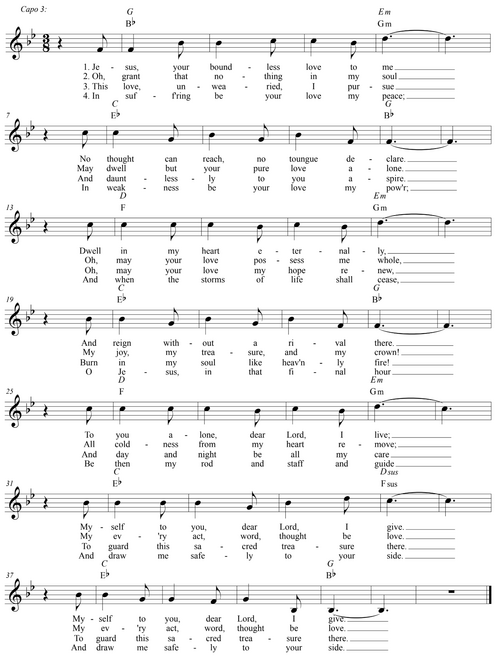
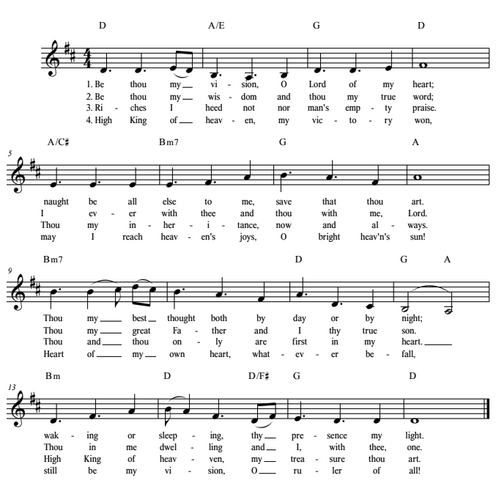
Pray Together
Close with this song.
Posted in Longsuffering by the Book
No Comments