
What is a slow change that happened over a long period of time that you were surprised to notice?
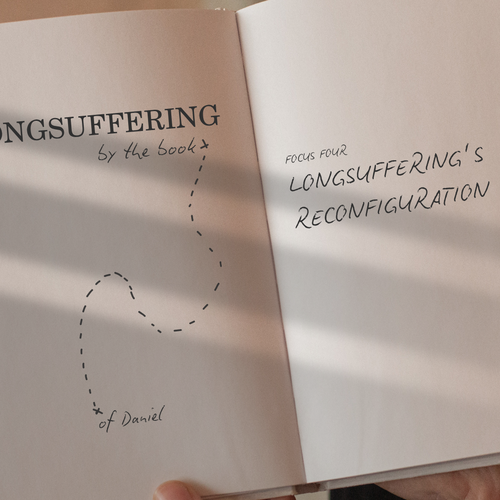
Longsuffering's Reconfiguration
Longsuffering does something to a person. We tend to frame longsuffering as something to survive, to "endure until it ends." In many cases, though, the long stretch of it becomes a kind of slow renovation. What was once a posture of resistance or self-reliance quietly gives way to something more open and more honest about one's own limits. The change isn't dramatic from the outside. It accumulates over time. But when you finally look back, you realize that the person who entered the difficulty and the person who came out the other side don't share the same center of gravity. This is longsuffering's reconfiguration.
Now that you've answered the Icebreaker, here's another question - this one, about working out.
What's the difference between long-suffering and getting in shape?
I ask because they look similar on the surface. Both involve discomfort over time. Both change you. Both require that you keep showing up even when you don't feel like it and both produce results that you couldn't have gotten any other way.
Plus, you can't rush either one. A month in the gym doesn't get you where five years does. And a month of hard circumstances doesn't form you the way five years does either.
But here's where I think they part ways.
When you work out, you are the architect. You choose the program, you select the weights, you decide when to push and when to rest. The change that happens is the change you designed. You're not just enduring the difficulty, you're wielding it. The suffering is instrumental. It's in service of a goal you set.
Long-suffering is different. You didn't design it. You didn't choose the weight or the program. Something was handed to you, be it a circumstance, a season, a place you didn't ask to be in, and the question isn't whether or not you'll pick it up. You're already holding it. The question is just what you'll do while you're holding it.
And that, I think, is where the more interesting change happens. Because when you work out, you get stronger. But when you long-suffer well, you get...different. Your values shift. Your ego loosens its grip. Things that used to feel essential start to feel optional, and things you barely noticed start to feel like everything. You don't just come out with more capacity, you come out with a different center.
In Daniel chapter 4, King Nebuchadnezzar didn't choose his wilderness. But he came out of it believing things he never would have said going in. That's not the result of a training program. That's longsuffering's reconfiguration.
Plus, you can't rush either one. A month in the gym doesn't get you where five years does. And a month of hard circumstances doesn't form you the way five years does either.
But here's where I think they part ways.
When you work out, you are the architect. You choose the program, you select the weights, you decide when to push and when to rest. The change that happens is the change you designed. You're not just enduring the difficulty, you're wielding it. The suffering is instrumental. It's in service of a goal you set.
Long-suffering is different. You didn't design it. You didn't choose the weight or the program. Something was handed to you, be it a circumstance, a season, a place you didn't ask to be in, and the question isn't whether or not you'll pick it up. You're already holding it. The question is just what you'll do while you're holding it.
And that, I think, is where the more interesting change happens. Because when you work out, you get stronger. But when you long-suffer well, you get...different. Your values shift. Your ego loosens its grip. Things that used to feel essential start to feel optional, and things you barely noticed start to feel like everything. You don't just come out with more capacity, you come out with a different center.
In Daniel chapter 4, King Nebuchadnezzar didn't choose his wilderness. But he came out of it believing things he never would have said going in. That's not the result of a training program. That's longsuffering's reconfiguration.
Hopefully that makes enough sense to get you started. As you continue into the Worship portion of the Spotlight, pray this prayer together:
Lord,
May we be humble enough to know
that there are ways we can change
and areas in which we can improve.
May we also be grateful for the knowledge
that you don't need us to change or improve
in order for you to love and care for us.
Amen.
Lord,
May we be humble enough to know
that there are ways we can change
and areas in which we can improve.
May we also be grateful for the knowledge
that you don't need us to change or improve
in order for you to love and care for us.
Amen.
Arrogance and Humility
The end of the book of Daniel tells a story of competing kings. It focuses especially on a particularly powerful, particularly bad king. This king, as you hear him described, is also particularly arrogant. This king is described in Daniel so that the reader (that’s you!) can understand that this arrogant king will not stand forever.
Arrogance is around you all the time, in a variety of ways, and it can often seem as if the arrogant are winning. This happens when it comes to wealth, opportunity, attention, and more. Poet Mike Sansone’s The Quiet Strength of Humility explores this nicely.
As a group, analyze this poem together using the instructions below.
As a group, analyze this poem together using the instructions below.
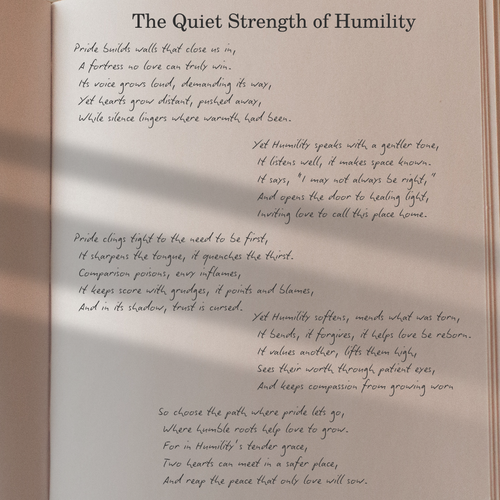
Once you've finished talking through the poem:
Jesus is also described as a powerful and particular king, but when he is described, it is with words that highlight humility - never arrogance.
Read these words together from Philippians 2:
3 Do nothing out of selfish ambition or vain conceit.
Rather, in humility value others above yourselves,
4 not looking to your own interests but each of you to the interests of the others.
5 In your relationships with one another, have the same mindset as Christ Jesus:
6 Who, being in very nature God,
did not consider equality with God something to be used to his own advantage;
7 rather, he made himself nothing
by taking the very nature of a servant,
being made in human likeness.
8 And being found in appearance as a man,
he humbled himself by becoming obedient to death— even death on a cross!
Jesus is also described as a powerful and particular king, but when he is described, it is with words that highlight humility - never arrogance.
Read these words together from Philippians 2:
3 Do nothing out of selfish ambition or vain conceit.
Rather, in humility value others above yourselves,
4 not looking to your own interests but each of you to the interests of the others.
5 In your relationships with one another, have the same mindset as Christ Jesus:
6 Who, being in very nature God,
did not consider equality with God something to be used to his own advantage;
7 rather, he made himself nothing
by taking the very nature of a servant,
being made in human likeness.
8 And being found in appearance as a man,
he humbled himself by becoming obedient to death— even death on a cross!
“Those who walk in pride he is able to humble.”
- King Nebuchadnezzar
Daniel 4 is unique: It is in the voice of the Babylonian emperor, Nebuchadnezzar. He tells his own story. It’s a place of honor - one of the only parts of the Bible written in the voice of a non-Jew. (The others are the New Testament books of Luke and Acts, written by Luke who was likely a Greek, and also possibly Job, whose background is never identified.)
But this place of honor came after a hard lesson about pride.
But this place of honor came after a hard lesson about pride.
The full text of the chapter is below if you need to reference it.
Discuss the chapter using these questions:
Discuss the chapter using these questions:
- We say things like, “pride goes before a fall.” Is that, in your opinion, true every time?
- In this story, it certainly is what happens. Recall that Daniel and his friends are in captivity. How would what happened to Nebuchadnezzar have helped them?
- There’s a good chance that there is or will be a political leader who is arrogant whom you would like God to humble. In the end of his humbling, Nebuchadnezzar seems to have a very changed relationship with the God of Israel. Is that what you hope for the leaders you would like God to humble?
- In Nebuchadnezzar’s moment of pride, right before his humbling, what mistake do you think he made? How would you put it into a warning for other people?
- When you hear Jesus described in this way: "Christ Jesus: Who, being in very nature God, did not consider equality with God something to be used to his own advantage; rather, he made himself nothing by taking the very nature of a servant, being made in human likeness. And being found in appearance as a man, he humbled himself by becoming obedient to death— even death on a cross!"
How do you see this attitude of Jesus as different from Nebuchadnezzar’s in the moment of his arrogance?
- Nebuchadnezzar’s time out of mind was not nearly as long as the exile that Daniel and his friends experienced, but both were meant to generate reconfiguration through long-suffering. As Daniel and his friends watched this happen to Nebuchadnezzar, including his restoration as King, do you think it gave them hope? When we observe the fall of the prideful, should it give us hope?
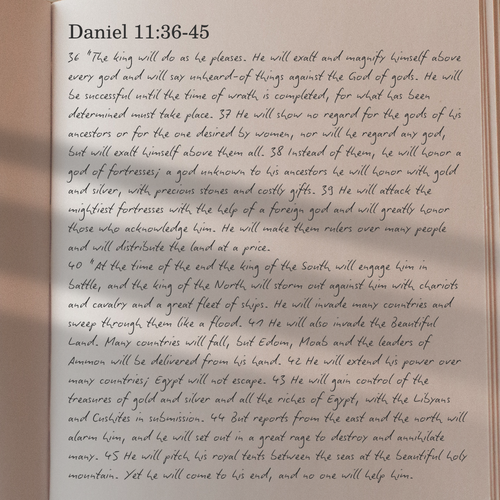
Daniel 4:1-37
King Nebuchadnezzar,
To the nations and peoples of every language, who live in all the earth:
May you prosper greatly!
2 It is my pleasure to tell you about the miraculous signs and wonders that the Most High God has performed for me.
3 How great are his signs,
how mighty his wonders!
His kingdom is an eternal kingdom;
his dominion endures from generation to generation.
4 I, Nebuchadnezzar, was at home in my palace, contented and prosperous. 5 I had a dream that made me afraid. As I was lying in bed, the images and visions that passed through my mind terrified me. 6 So I commanded that all the wise men of Babylon be brought before me to interpret the dream for me. 7 When the magicians, enchanters, astrologers and diviners came, I told them the dream, but they could not interpret it for me. 8 Finally, Daniel came into my presence and I told him the dream. (He is called Belteshazzar, after the name of my god, and the spirit of the holy gods is in him.)
9 I said, “Belteshazzar, chief of the magicians, I know that the spirit of the holy gods is in you, and no mystery is too difficult for you. Here is my dream; interpret it for me. 10 These are the visions I saw while lying in bed: I looked, and there before me stood a tree in the middle of the land. Its height was enormous. 11 The tree grew large and strong and its top touched the sky; it was visible to the ends of the earth. 12 Its leaves were beautiful, its fruit abundant, and on it was food for all. Under it the wild animals found shelter, and the birds lived in its branches; from it every creature was fed.
13 “In the visions I saw while lying in bed, I looked, and there before me was a holy one, a messenger, coming down from heaven. 14 He called in a loud voice: ‘Cut down the tree and trim off its branches; strip off its leaves and scatter its fruit. Let the animals flee from under it and the birds from its branches. 15 But let the stump and its roots, bound with iron and bronze, remain in the ground, in the grass of the field.
“ ‘Let him be drenched with the dew of heaven, and let him live with the animals among the plants of the earth. 16 Let his mind be changed from that of a man and let him be given the mind of an animal, till seven times pass by for him.
17 “ ‘The decision is announced by messengers, the holy ones declare the verdict, so that the living may know that the Most High is sovereign over all kingdoms on earth and gives them to anyone he wishes and sets over them the lowliest of people.’
18 “This is the dream that I, King Nebuchadnezzar, had. Now, Belteshazzar, tell me what it means, for none of the wise men in my kingdom can interpret it for me. But you can, because the spirit of the holy gods is in you.”
19 Then Daniel (also called Belteshazzar) was greatly perplexed for a time, and his thoughts terrified him. So the king said, “Belteshazzar, do not let the dream or its meaning alarm you.”
Belteshazzar answered, “My lord, if only the dream applied to your enemies and its meaning to your adversaries! 20 The tree you saw, which grew large and strong, with its top touching the sky, visible to the whole earth, 21 with beautiful leaves and abundant fruit, providing food for all, giving shelter to the wild animals, and having nesting places in its branches for the birds—22 Your Majesty, you are that tree! You have become great and strong; your greatness has grown until it reaches the sky, and your dominion extends to distant parts of the earth.
23 “Your Majesty saw a holy one, a messenger, coming down from heaven and saying, ‘Cut down the tree and destroy it, but leave the stump, bound with iron and bronze, in the grass of the field, while its roots remain in the ground. Let him be drenched with the dew of heaven; let him live with the wild animals, until seven times pass by for him.’
24 “This is the interpretation, Your Majesty, and this is the decree the Most High has issued against my lord the king: 25 You will be driven away from people and will live with the wild animals; you will eat grass like the ox and be drenched with the dew of heaven. Seven times will pass by for you until you acknowledge that the Most High is sovereign over all kingdoms on earth and gives them to anyone he wishes. 26 The command to leave the stump of the tree with its roots means that your kingdom will be restored to you when you acknowledge that Heaven rules. 27 Therefore, Your Majesty, be pleased to accept my advice: Renounce your sins by doing what is right, and your wickedness by being kind to the oppressed. It may be that then your prosperity will continue.”
28 All this happened to King Nebuchadnezzar. 29 Twelve months later, as the king was walking on the roof of the royal palace of Babylon, 30 he said, “Is not this the great Babylon I have built as the royal residence, by my mighty power and for the glory of my majesty?”
31 Even as the words were on his lips, a voice came from heaven, “This is what is decreed for you, King Nebuchadnezzar: Your royal authority has been taken from you. 32 You will be driven away from people and will live with the wild animals; you will eat grass like the ox. Seven times will pass by for you until you acknowledge that the Most High is sovereign over all kingdoms on earth and gives them to anyone he wishes.”
33 Immediately what had been said about Nebuchadnezzar was fulfilled. He was driven away from people and ate grass like the ox. His body was drenched with the dew of heaven until his hair grew like the feathers of an eagle and his nails like the claws of a bird.
34 At the end of that time, I, Nebuchadnezzar, raised my eyes toward heaven, and my sanity was restored. Then I praised the Most High; I honored and glorified him who lives forever.
His dominion is an eternal dominion;
his kingdom endures from generation to generation.
35 All the peoples of the earth
are regarded as nothing.
He does as he pleases
with the powers of heaven
and the peoples of the earth.
No one can hold back his hand
or say to him: “What have you done?”
36 At the same time that my sanity was restored, my honor and splendor were returned to me for the glory of my kingdom. My advisers and nobles sought me out, and I was restored to my throne and became even greater than before. 37 Now I, Nebuchadnezzar, praise and exalt and glorify the King of heaven, because everything he does is right and all his ways are just. And those who walk in pride he is able to humble.
King Nebuchadnezzar,
To the nations and peoples of every language, who live in all the earth:
May you prosper greatly!
2 It is my pleasure to tell you about the miraculous signs and wonders that the Most High God has performed for me.
3 How great are his signs,
how mighty his wonders!
His kingdom is an eternal kingdom;
his dominion endures from generation to generation.
4 I, Nebuchadnezzar, was at home in my palace, contented and prosperous. 5 I had a dream that made me afraid. As I was lying in bed, the images and visions that passed through my mind terrified me. 6 So I commanded that all the wise men of Babylon be brought before me to interpret the dream for me. 7 When the magicians, enchanters, astrologers and diviners came, I told them the dream, but they could not interpret it for me. 8 Finally, Daniel came into my presence and I told him the dream. (He is called Belteshazzar, after the name of my god, and the spirit of the holy gods is in him.)
9 I said, “Belteshazzar, chief of the magicians, I know that the spirit of the holy gods is in you, and no mystery is too difficult for you. Here is my dream; interpret it for me. 10 These are the visions I saw while lying in bed: I looked, and there before me stood a tree in the middle of the land. Its height was enormous. 11 The tree grew large and strong and its top touched the sky; it was visible to the ends of the earth. 12 Its leaves were beautiful, its fruit abundant, and on it was food for all. Under it the wild animals found shelter, and the birds lived in its branches; from it every creature was fed.
13 “In the visions I saw while lying in bed, I looked, and there before me was a holy one, a messenger, coming down from heaven. 14 He called in a loud voice: ‘Cut down the tree and trim off its branches; strip off its leaves and scatter its fruit. Let the animals flee from under it and the birds from its branches. 15 But let the stump and its roots, bound with iron and bronze, remain in the ground, in the grass of the field.
“ ‘Let him be drenched with the dew of heaven, and let him live with the animals among the plants of the earth. 16 Let his mind be changed from that of a man and let him be given the mind of an animal, till seven times pass by for him.
17 “ ‘The decision is announced by messengers, the holy ones declare the verdict, so that the living may know that the Most High is sovereign over all kingdoms on earth and gives them to anyone he wishes and sets over them the lowliest of people.’
18 “This is the dream that I, King Nebuchadnezzar, had. Now, Belteshazzar, tell me what it means, for none of the wise men in my kingdom can interpret it for me. But you can, because the spirit of the holy gods is in you.”
19 Then Daniel (also called Belteshazzar) was greatly perplexed for a time, and his thoughts terrified him. So the king said, “Belteshazzar, do not let the dream or its meaning alarm you.”
Belteshazzar answered, “My lord, if only the dream applied to your enemies and its meaning to your adversaries! 20 The tree you saw, which grew large and strong, with its top touching the sky, visible to the whole earth, 21 with beautiful leaves and abundant fruit, providing food for all, giving shelter to the wild animals, and having nesting places in its branches for the birds—22 Your Majesty, you are that tree! You have become great and strong; your greatness has grown until it reaches the sky, and your dominion extends to distant parts of the earth.
23 “Your Majesty saw a holy one, a messenger, coming down from heaven and saying, ‘Cut down the tree and destroy it, but leave the stump, bound with iron and bronze, in the grass of the field, while its roots remain in the ground. Let him be drenched with the dew of heaven; let him live with the wild animals, until seven times pass by for him.’
24 “This is the interpretation, Your Majesty, and this is the decree the Most High has issued against my lord the king: 25 You will be driven away from people and will live with the wild animals; you will eat grass like the ox and be drenched with the dew of heaven. Seven times will pass by for you until you acknowledge that the Most High is sovereign over all kingdoms on earth and gives them to anyone he wishes. 26 The command to leave the stump of the tree with its roots means that your kingdom will be restored to you when you acknowledge that Heaven rules. 27 Therefore, Your Majesty, be pleased to accept my advice: Renounce your sins by doing what is right, and your wickedness by being kind to the oppressed. It may be that then your prosperity will continue.”
28 All this happened to King Nebuchadnezzar. 29 Twelve months later, as the king was walking on the roof of the royal palace of Babylon, 30 he said, “Is not this the great Babylon I have built as the royal residence, by my mighty power and for the glory of my majesty?”
31 Even as the words were on his lips, a voice came from heaven, “This is what is decreed for you, King Nebuchadnezzar: Your royal authority has been taken from you. 32 You will be driven away from people and will live with the wild animals; you will eat grass like the ox. Seven times will pass by for you until you acknowledge that the Most High is sovereign over all kingdoms on earth and gives them to anyone he wishes.”
33 Immediately what had been said about Nebuchadnezzar was fulfilled. He was driven away from people and ate grass like the ox. His body was drenched with the dew of heaven until his hair grew like the feathers of an eagle and his nails like the claws of a bird.
34 At the end of that time, I, Nebuchadnezzar, raised my eyes toward heaven, and my sanity was restored. Then I praised the Most High; I honored and glorified him who lives forever.
His dominion is an eternal dominion;
his kingdom endures from generation to generation.
35 All the peoples of the earth
are regarded as nothing.
He does as he pleases
with the powers of heaven
and the peoples of the earth.
No one can hold back his hand
or say to him: “What have you done?”
36 At the same time that my sanity was restored, my honor and splendor were returned to me for the glory of my kingdom. My advisers and nobles sought me out, and I was restored to my throne and became even greater than before. 37 Now I, Nebuchadnezzar, praise and exalt and glorify the King of heaven, because everything he does is right and all his ways are just. And those who walk in pride he is able to humble.
Helping Refugees
Take a few minutes as a group and brainstorm (without looking anything up) what kinds of things you think volunteers could realistically do to help refugees settling into a new city. Think practically: what do people need when they arrive somewhere unfamiliar? What skills or time do ordinary people have to offer?
Name your ideas.
Name your ideas.

Now take a look at what ReWA (Refugee Women's Alliance - a Seattle-based organization serving refugees and immigrant families in the Puget Sound) is actually asking volunteers to do: rewa.org/giving/volunteer
Discuss:
Discuss:
- What did your list get right?
- What surprised you? It could be either something you didn't think of, or something you expected that wasn't there?
- Is there anything on their list that someone in this room could realistically do?
Pray Together
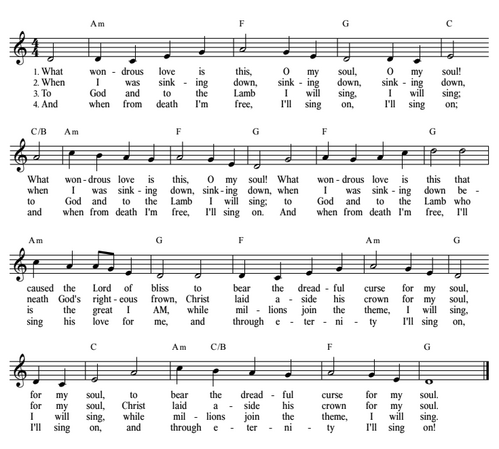
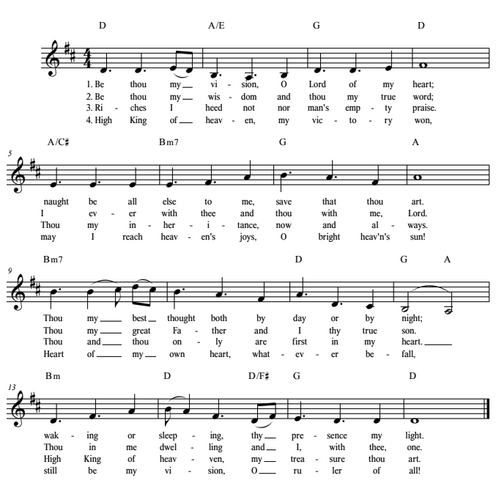
Close with this song.
Posted in Longsuffering by the Book
No Comments