
What is, in your opinion, the best photo you've ever taken?
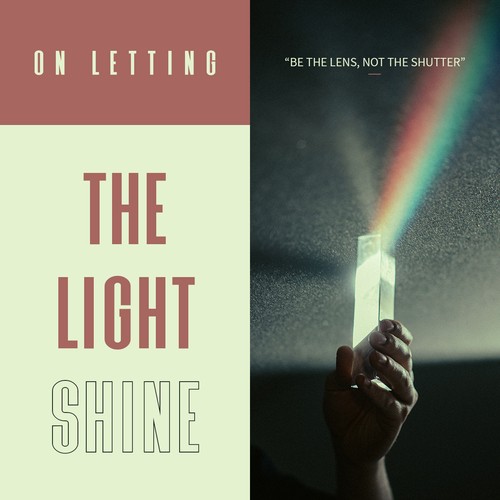
Focus 2 | Be the Lens, Not the Shutter
|
See what this Spotlight—and series—is focused on.
Tap on the words "Focus 2" in the image below to read this Spotlight's summary.
Tap on the words "Focus 2" in the image below to read this Spotlight's summary.
Let’s talk about Fresnel’s lens.

Listen to this audio clip when you’re ready to begin today’s Spotlight.
(And welcome, by the way! It’s great that you’re here!)
Listen to this audio clip when you’re ready to begin today’s Spotlight.
(And welcome, by the way! It’s great that you’re here!)
Reflect on your inflection points.
Everyone has ways they can become brighter, and like Fresnel and his lens, it helps to consider how to eliminate darkness. Work your way through the interactive presentation below, making sure to click all the buttons along the way!
Everyone has ways they can become brighter, and like Fresnel and his lens, it helps to consider how to eliminate darkness. Work your way through the interactive presentation below, making sure to click all the buttons along the way!
Welcome Perspective
Your inflection points affect where your reflection points the light of God.
Your inflection points affect where your reflection points the light of God.
Pray for deliverance with this song.
“The sun is leaning on the darkness again and we sing, ‘Oh, deliver me.’”
Thus begins this song about dawn, and the way the changing of the light can be an opportunity for change in oneself.
Pay attention to two things as you listen:
“The sun is leaning on the darkness again and we sing, ‘Oh, deliver me.’”
Thus begins this song about dawn, and the way the changing of the light can be an opportunity for change in oneself.
Pay attention to two things as you listen:
- Find the two meanings for the word “deliver” in this song. What are they?
- Take special note of the lyrics in the bridge. What are they talking about?
Every human creature is a galaxy of thought.
You could spend your life on one and it wouldn’t be for naught.
Do you look at many people but you see so very few?
From the disenchanted distance, it's what desperate people do.
Become dependent on the light.
(Note: this section will go back and forth between individual reading and group reading. If you’re doing this Spotlight in a group, have a different member read each paragraph in rotation by the first letter of first names, alphabetically.)
Say these words together, as a group:
Naked I came from my mother’s womb, and naked I will depart. | Job 1:21
Begin rotation of individual readers.
Nobody thinks it odd that a baby is born naked. The reality of a baby is that it has needs and it cannot provide for those needs and it is by this reality that God illustrates how natural and good it is for relationships to exist.
The facilitation of relationship—the idea that things are meant not just to coexist but to cooperate, collaborate, or at least connect—is the canvas upon which existence has been painted. It is the light that God "let there be" on day one of creation. It is the first truth in each scene of life that you live.
That being said, in any given moment you have some control over the extent to which you decide to allow the light to do its thing. At first, as babies, we’re pretty open and vulnerable. We let light happen, as a general rule, though we can struggle when our basic needs aren’t met (yet even then, we end up connecting with others because we are so dependent.)
Infants depend on people without question. They let others carry them around and feed them and clothe them and everything else, and in return babies teach people, at least a little bit, about the joy of unquestioning connection. People speak differently, look differently, and interact differently when a baby is around because they are connecting to it.
Over time, though, we become less open to the connections that the light is making possible. On the one hand, we take the connections for granted. On the other hand, we actively avoid them because we feel like they make life harder and we’re afraid of being vulnerable. Job, who spoke the words that started this section, knew the pain of that vulnerability. He spoke of it in Job 19…
Say these words together, as a group.
My relatives have gone away;
my closest friends have forgotten me.
My guests and my female servants count me a foreigner;
they look on me as on a stranger.
I summon my servant, but he does not answer,
though I beg him with my own mouth.
My breath is offensive to my wife;
I am loathsome to my own family.
Even the little boys scorn me;
when I appear, they ridicule me.
All my intimate friends detest me;
those I love have turned against me.
Job 19:14–19
Resume rotation of readers.
You’ve probably been in Job’s shoes, afraid and pained by the struggle of vulnerability in an imperfect world.
You’ve probably also been in the shoes of Job’s friends and family, too annoyed and uncomfortable by someone’s vulnerability to show compassion.
No matter which shoes you’re wearing, you need someone who will care for you. Just a few verses after he decried his family for deserting him, Job said this…
Say these words together, as a group.
I am nothing but skin and bones;
I have escaped only by the skin of my teeth.
Have pity on me, my friends, have pity,
for the hand of God has struck me.
Why do you pursue me as God does?
Will you never get enough of my flesh?
Oh, that my words were recorded,
that they were written on a scroll,
that they were inscribed with an iron tool on lead,
or engraved in rock forever!
I know that my redeemer lives,
and that in the end he will stand on the earth.
And after my skin has been destroyed,
yet in my flesh I will see God;
I myself will see him with my own eyes—I, and not another.
How my heart yearns within me!
Job 19:20-27
Resume rotation of readers.
Job foresaw the relationship with God (made possible by the redeeming work of Jesus on which all people depend) that is now yours. It is naked vulnerability met with perfect, loving acceptance—a great risk and a great reward.
(Note: this section will go back and forth between individual reading and group reading. If you’re doing this Spotlight in a group, have a different member read each paragraph in rotation by the first letter of first names, alphabetically.)
Say these words together, as a group:
Naked I came from my mother’s womb, and naked I will depart. | Job 1:21
Begin rotation of individual readers.
Nobody thinks it odd that a baby is born naked. The reality of a baby is that it has needs and it cannot provide for those needs and it is by this reality that God illustrates how natural and good it is for relationships to exist.
The facilitation of relationship—the idea that things are meant not just to coexist but to cooperate, collaborate, or at least connect—is the canvas upon which existence has been painted. It is the light that God "let there be" on day one of creation. It is the first truth in each scene of life that you live.
That being said, in any given moment you have some control over the extent to which you decide to allow the light to do its thing. At first, as babies, we’re pretty open and vulnerable. We let light happen, as a general rule, though we can struggle when our basic needs aren’t met (yet even then, we end up connecting with others because we are so dependent.)
Infants depend on people without question. They let others carry them around and feed them and clothe them and everything else, and in return babies teach people, at least a little bit, about the joy of unquestioning connection. People speak differently, look differently, and interact differently when a baby is around because they are connecting to it.
Over time, though, we become less open to the connections that the light is making possible. On the one hand, we take the connections for granted. On the other hand, we actively avoid them because we feel like they make life harder and we’re afraid of being vulnerable. Job, who spoke the words that started this section, knew the pain of that vulnerability. He spoke of it in Job 19…
Say these words together, as a group.
My relatives have gone away;
my closest friends have forgotten me.
My guests and my female servants count me a foreigner;
they look on me as on a stranger.
I summon my servant, but he does not answer,
though I beg him with my own mouth.
My breath is offensive to my wife;
I am loathsome to my own family.
Even the little boys scorn me;
when I appear, they ridicule me.
All my intimate friends detest me;
those I love have turned against me.
Job 19:14–19
Resume rotation of readers.
You’ve probably been in Job’s shoes, afraid and pained by the struggle of vulnerability in an imperfect world.
You’ve probably also been in the shoes of Job’s friends and family, too annoyed and uncomfortable by someone’s vulnerability to show compassion.
No matter which shoes you’re wearing, you need someone who will care for you. Just a few verses after he decried his family for deserting him, Job said this…
Say these words together, as a group.
I am nothing but skin and bones;
I have escaped only by the skin of my teeth.
Have pity on me, my friends, have pity,
for the hand of God has struck me.
Why do you pursue me as God does?
Will you never get enough of my flesh?
Oh, that my words were recorded,
that they were written on a scroll,
that they were inscribed with an iron tool on lead,
or engraved in rock forever!
I know that my redeemer lives,
and that in the end he will stand on the earth.
And after my skin has been destroyed,
yet in my flesh I will see God;
I myself will see him with my own eyes—I, and not another.
How my heart yearns within me!
Job 19:20-27
Resume rotation of readers.
Job foresaw the relationship with God (made possible by the redeeming work of Jesus on which all people depend) that is now yours. It is naked vulnerability met with perfect, loving acceptance—a great risk and a great reward.
Find comfort in God’s faithfulness.
It is easy to shy away from the light because in a broken world the ideals of the light are not always realized. We hope for lenses to the light, but we find shutters snapping shut. The Old Testament book of Hosea tells a true story of a time when someone’s naked vulnerability did not lead to them being deserted, even though it very well could have.
Essentially, God tells a prophet named Hosea to marry a woman named Gomer, who is going to be unfaithful to Hosea the same way that the people of Israel have been unfaithful to God. Hosea and Gomer get married and have three children, and then this:
The Lord said to me, “Go, show your love to your wife again, though she is loved by another man and is an adulteress. Love her as the Lord loves the Israelites, though they turn to other gods and love the sacred raisin cakes.” So I bought her for fifteen shekels of silver and about a homer and a lethek of barley. Then I told her, “You are to live with me many days; you must not be a prostitute or be intimate with any man, and I will behave the same way toward you.” For the Israelites will live many days without king or prince, without sacrifice or sacred stones, without ephod or household gods. Afterward the Israelites will return and seek the Lord their God and David their king. They will come trembling to the Lord and to his blessings in the last days. | Hosea 3
Listen to a song about this.
The song Words Remain describes the difference between a perfectly faithful God and an imperfectly unfaithful person. The imagery in this video appeals to Hosea and Gomer’s story to show the tension every sinful person feels as they falter—and to show the comforting-but-complicated truth that it is God’s faithfulness alone that can give us hope.
It is easy to shy away from the light because in a broken world the ideals of the light are not always realized. We hope for lenses to the light, but we find shutters snapping shut. The Old Testament book of Hosea tells a true story of a time when someone’s naked vulnerability did not lead to them being deserted, even though it very well could have.
Essentially, God tells a prophet named Hosea to marry a woman named Gomer, who is going to be unfaithful to Hosea the same way that the people of Israel have been unfaithful to God. Hosea and Gomer get married and have three children, and then this:
The Lord said to me, “Go, show your love to your wife again, though she is loved by another man and is an adulteress. Love her as the Lord loves the Israelites, though they turn to other gods and love the sacred raisin cakes.” So I bought her for fifteen shekels of silver and about a homer and a lethek of barley. Then I told her, “You are to live with me many days; you must not be a prostitute or be intimate with any man, and I will behave the same way toward you.” For the Israelites will live many days without king or prince, without sacrifice or sacred stones, without ephod or household gods. Afterward the Israelites will return and seek the Lord their God and David their king. They will come trembling to the Lord and to his blessings in the last days. | Hosea 3
Listen to a song about this.
The song Words Remain describes the difference between a perfectly faithful God and an imperfectly unfaithful person. The imagery in this video appeals to Hosea and Gomer’s story to show the tension every sinful person feels as they falter—and to show the comforting-but-complicated truth that it is God’s faithfulness alone that can give us hope.
Worship Perspective
It isn’t shameful when you are exposed. It’s a chance for some more light.
It isn’t shameful when you are exposed. It’s a chance for some more light.
Unveil the significance of this story.
Since this Focus is called “Be the Lens, Not the Shutter” and we’ve talked a bit about lenses, it’s time to talk about the shutter. For today’s purposes, you can think of a shutter as a light-inhibitor.
The idea of inhibiting the light draws a line from Exodus, the second book in the Bible, all the way to 2 Corinthians, the eighth book of the New Testament. In these two books, the story of Moses "wearing a veil" is discussed.
Why would Moses wear a veil? His face was shining.
Follow these steps to work through this exercise:
Since this Focus is called “Be the Lens, Not the Shutter” and we’ve talked a bit about lenses, it’s time to talk about the shutter. For today’s purposes, you can think of a shutter as a light-inhibitor.
The idea of inhibiting the light draws a line from Exodus, the second book in the Bible, all the way to 2 Corinthians, the eighth book of the New Testament. In these two books, the story of Moses "wearing a veil" is discussed.
Why would Moses wear a veil? His face was shining.
Follow these steps to work through this exercise:
- Open your Bible to 2 Corinthians 3:7–18 if you’d like.
- Watch this video to walk through those verses.
- Discuss the questions given at the end of the video.
Learn Perspective
Evil keeps the light out of sight and out of mind of those who need it.
Evil keeps the light out of sight and out of mind of those who need it.
Much of the light-bringing that we do happens in small, every-day interactions. Learn about the Thai Village's work using the video below. You'll watch the whole interview over the next weeks of the series.
Feel free to submit a prayer request by filling out the below form.
(If you choose to make your request public, you'll see it display in the Current at the end of the Spotlight along with anyone else who did the same.)
(If you choose to make your request public, you'll see it display in the Current at the end of the Spotlight along with anyone else who did the same.)
Pray through your requests—together—as a group.
After submitting your requests in the above form, take some time to share with your group whatever requests the group might have for this week.
After submitting your requests in the above form, take some time to share with your group whatever requests the group might have for this week.
Serve Perspective
Love that really works gives those oppressed by darkness a glimpse of the light.
Love that really works gives those oppressed by darkness a glimpse of the light.
Pray transparently.
Transparency between people is complex. It requires trust. It involves risk. It takes time. (It’s also the dream.)
Carry each other’s burdens, and in this way you will fulfill the law of Christ. | Galatians 6:2
Follow these steps to complete this exercise:
(The prayers can be short or long, but please try to pray as honestly as you can for your partner.)
Transparency between people is complex. It requires trust. It involves risk. It takes time. (It’s also the dream.)
Carry each other’s burdens, and in this way you will fulfill the law of Christ. | Galatians 6:2
Follow these steps to complete this exercise:
- Split into pairs, if you’re doing this Spotlight in a group.
- Share one thing with your partner—something that feels transparent.
- Allow your partner to pray for you about that thing.
- Now switch roles.
(The prayers can be short or long, but please try to pray as honestly as you can for your partner.)
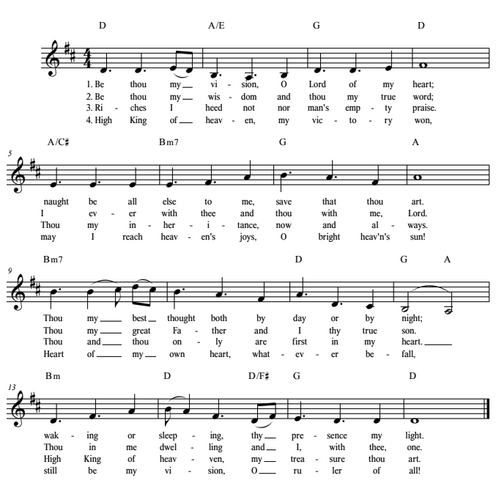
Sing along with (or listen to) this song to close out this Spotlight.
Feel free to sing along or simply listen. Do what makes you comfortable—but do whatever helps you focus on the song's meaning best.
Feel free to sing along or simply listen. Do what makes you comfortable—but do whatever helps you focus on the song's meaning best.
Farewell Perspective
What’s hid in the dark—if you’ll put it in the light—will never not shine.
What’s hid in the dark—if you’ll put it in the light—will never not shine.
Let's wrap things up by taking a look at what's Current at Illume.
Tap on the buttons in the frame below to see what’s currently happening at Illume—information on everything from current and upcoming online content to live events and opportunities to serve in the community can all be found here.
Tap on the buttons in the frame below to see what’s currently happening at Illume—information on everything from current and upcoming online content to live events and opportunities to serve in the community can all be found here.
Posted in On Letting the Light Shine
No Comments